
PhD defense: Shirin Haghshenas Bilehsavar
CFIN affiliated researcher, Shirin Haghshenas Bilehsavar, is defending her PhD thesis, entitled: "Structural brain organisation and sensory function in multi-organ Functional Somatic Disorder, Multiple Chemical Sensitivity, and Post-COVID Condition".
Info about event
Time
Location
Pathology Auditorium, Aarhus University Hospital, F201-197
Organizer
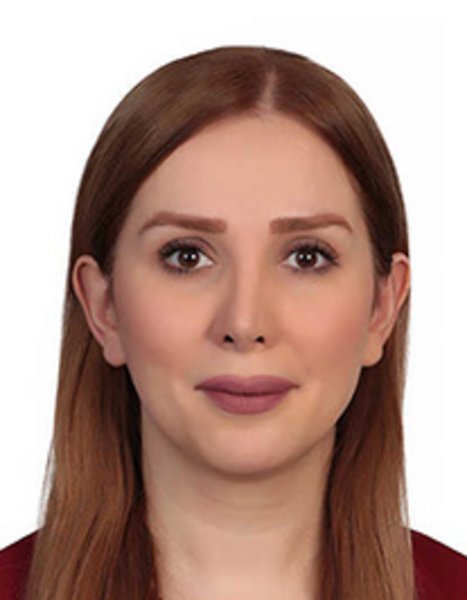
Shirin Haghshenas Bilehsavar
Title: “Structural brain organisation and sensory function in multi-organ Functional Somatic Disorder, Multiple Chemical Sensitivity, and Post-COVID Condition”.
About the thesis:
Functional somatic disorders (FSD) are characterised by persistent symptoms not better explained by medical or psychiatric disorders and remain incompletely understood. FSD presents in single and multi-organ types and includes multiple chemical sensitivity (MCS) and possibly post-COVID condition (PCC). These conditions can substantially affect daily functioning, resulting in considerable personal and societal burden. In addition, challenges regarding the recognition and legitimacy of these conditions still remain for some patients despite the severity of their symptoms. Although previous neuroimaging research has identified functional and metabolic brain alterations, structural neuroimaging evidence remains limited, particularly in MCS. Moreover, the relationships between structural brain organisation, objectively measured sensory function, and subjective symptom experience remain poorly understood.
This dissertation therefore investigated structural brain organisation and objective sensory function across multi-organ FSD, MCS, and PCC. The dissertation comprised four studies based on a well-characterised clinical cohort. The structural neuroimaging component (Papers I and II) comprised a scoping review of the structural neuroimaging literature on MCS and an original structural connectome study combining hypothesis-driven pathway analyses with whole-brain analyses. The sensory component (Papers III and IV) investigated objective sensory function using validated psychophysical assessments of olfactory function and experimental pain, together with clinical symptom measures.
The scoping review demonstrated a substantial lack of structural neuroimaging research in MCS. The structural connectome study subsequently identified measurable differences in brain organisation across the clinical populations. Reduced interhemispheric structural connectivity was the most consistent finding across multi-organ FSD, MCS, and PCC, accompanied by shared and disorder-specific differences involving distributed cortical and subcortical pathways, including orbitofrontal, thalamic, insular, sensorimotor, limbic, and association connections.
The sensory studies (Papers III and IV) showed a different pattern. Objective olfactory impairment was primarily observed in PCC, whereas olfactory performance was largely preserved in multi-organ FSD and MCS despite substantial symptom burden. Similarly, participants with multi-organ FSD reported greater clinical pain than healthy controls without corresponding differences in experimental pain threshold or tolerance. PCC showed a descriptively similar pattern of increased clinical pain without significant differences in experimental pain measures, although this finding did not reach statistical significance.
Together, these findings demonstrate that measurable differences in structural brain organisation may coexist with relatively preserved performance on standardised sensory tests. Several of the structural differences involved pathways associated with sensory integration, salience, affective evaluation, and hedonic processing, suggesting that basic sensory performance and the broader organisation of brain systems involved in processing sensory information represent distinct but potentially related dimensions.
However, the present studies did not directly test associations between structural connectivity and individual sensory measures, and this interpretation therefore remains hypothetical. Overall, this dissertation addresses an important gap in the international literature by providing one of the first comprehensive structural neuroimaging investigations of MCS, while examining structural brain organisation and objective sensory function across multi-organ FSD, MCS, and PCC. Although the observed structural alterations are not sufficiently specific to support diagnosis at the individual level, they provide objective evidence of group-level differences in structural brain organisation. The findings thereby contribute to the growing evidence that FSD and clinically related conditions are associated with measurable neurobiological differences, while underscoring the need for cautious interpretation and independent validation. Beyond the individual findings, the dissertation proposes a conceptual framework in which structural brain organisation, objective sensory function, and subjective symptom experience are considered complementary dimensions of the clinical phenotype. Future longitudinal and multimodal studies are needed to determine the temporal and functional significance of the structural differences identified and their relationships with sensory function and clinical symptoms.
Assessment committee:
- Professor Jens Randel Nyengaard (chair and moderator of the defence)
Department of Clinical Medicine, Core Centre for Molecular Morphology, Section for Sterology and Microscopy, Aarhus University - Professor Joanna Rymaszewska
Wroclaw University of Science and Technology, Wroclaw, Poland - Professor Kristoffer Hougaard Madsen
Section for Visual Computing, Department of Applied Mathematics and Computer Science, Technical University of Denmark & Department of Radiology, Zealand University Hospital
ALL ARE WELCOME
Contact
PhD student Shirin Haghshenas Bilehsavar
Email: shirin@clin.au.dk